Christmas styling advice by Florence Corcelli, Creative Director of Je Ne Sais Quoi. Introduction by The Property Story.
Creating a home in London is about more than finding the right property. It is also about making space for your own traditions, especially at Christmas. Whether you are celebrating your first festive season in London or welcoming family from abroad, thoughtful decorations can help a new home feel familiar.
For this seasonal collaboration, Florence Corcelli, creative director of London luxury interior design practice Je Ne Sais Quoi, shares her Christmas decorating ideas, from natural greenery and warm lighting to a beautifully personal festive table.
In Florence’s words:
I have always felt that decorating for Christmas should be an extension of the home itself. The most beautiful festive interiors, in my opinion, are those that feel welcoming and full of character, without being overly decorated.
I prefer a more considered approach, choosing pieces that work with the existing interior rather than transforming it entirely for a few weeks. Beautiful materials, natural greenery, soft lighting and a few personal touches are often all that is needed to create a wonderful Christmas atmosphere.
Choose a Christmas colour palette that complements your home
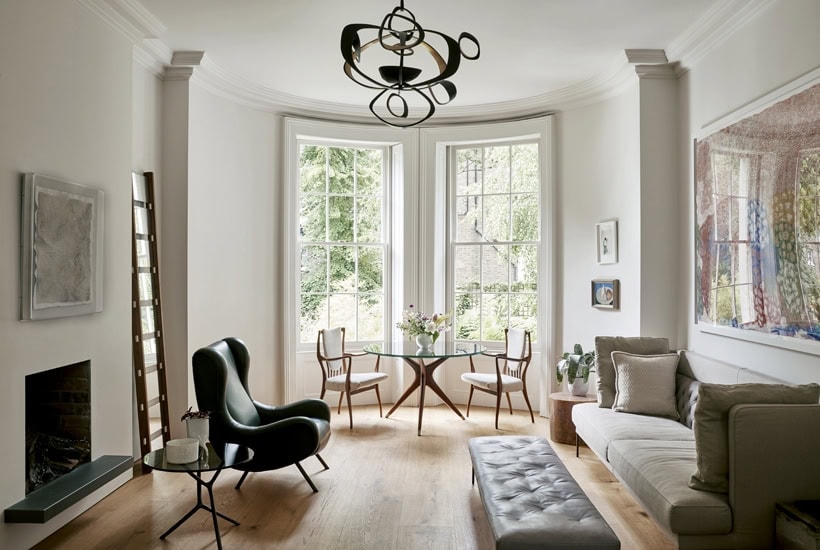
Before introducing any Christmas decorations, I always consider the architecture, colour palette and overall character of the home.
The decorations should complement what is already there rather than compete with it. In a room with a soft, neutral palette, I might introduce champagne, antique gold, warm ivory and plenty of natural greenery. A richer interior, on the other hand, can carry deeper shades of burgundy, olive green, chocolate and bronze.
I particularly love tonal schemes, where different shades of the same colour are brought together through a mixture of textures and finishes. This creates a more subtle effect and allows the room to feel festive without losing its original character.
I also prefer to work with a fairly limited palette. It gives the decorations a sense of cohesion, even when combining pieces from different collections or those gathered over the years.
Decorate with natural Christmas greenery
For me, fresh greenery is one of the most beautiful elements of Christmas decorating. There is something about the scent of pine and cedar that immediately makes a home feel festive.
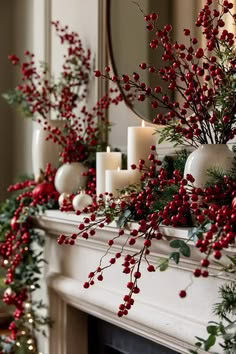
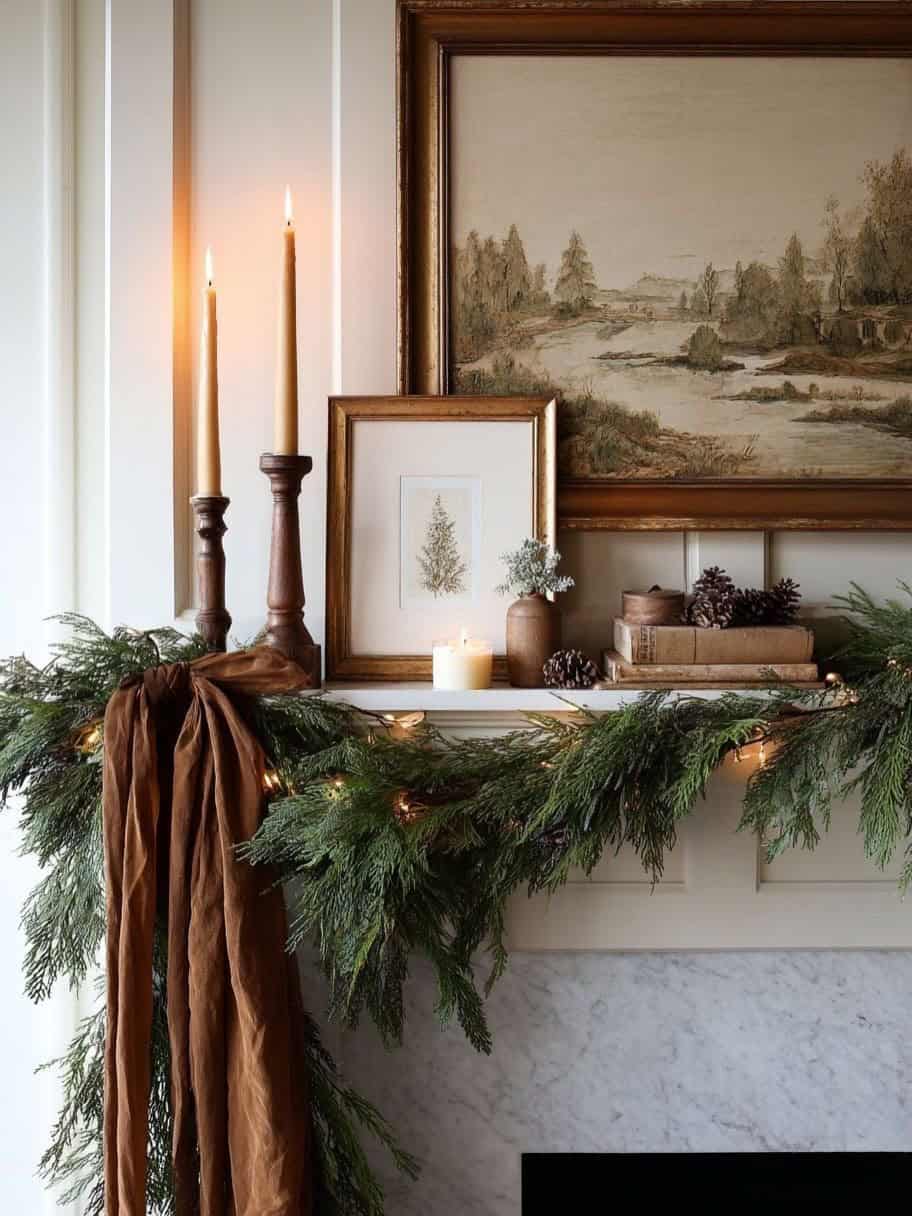
I use foliage quite generously, particularly around fireplaces, entrances and staircases. A full garland draped across a mantelpiece, a large wreath or a few sculptural branches arranged in an oversized vase can make a wonderful statement.
Cedar, pine, spruce and eucalyptus are my favourites for their varying textures and natural movement.
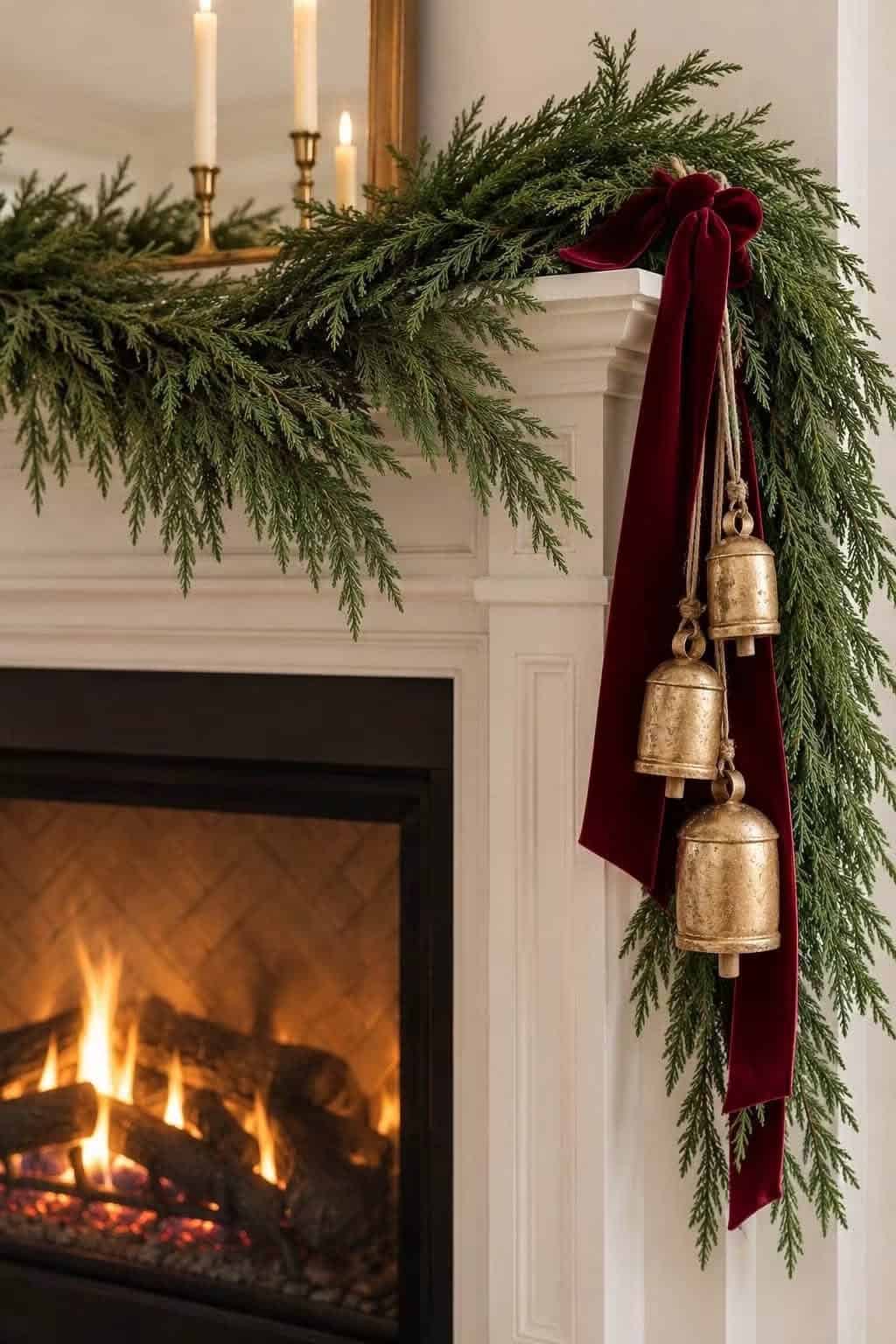
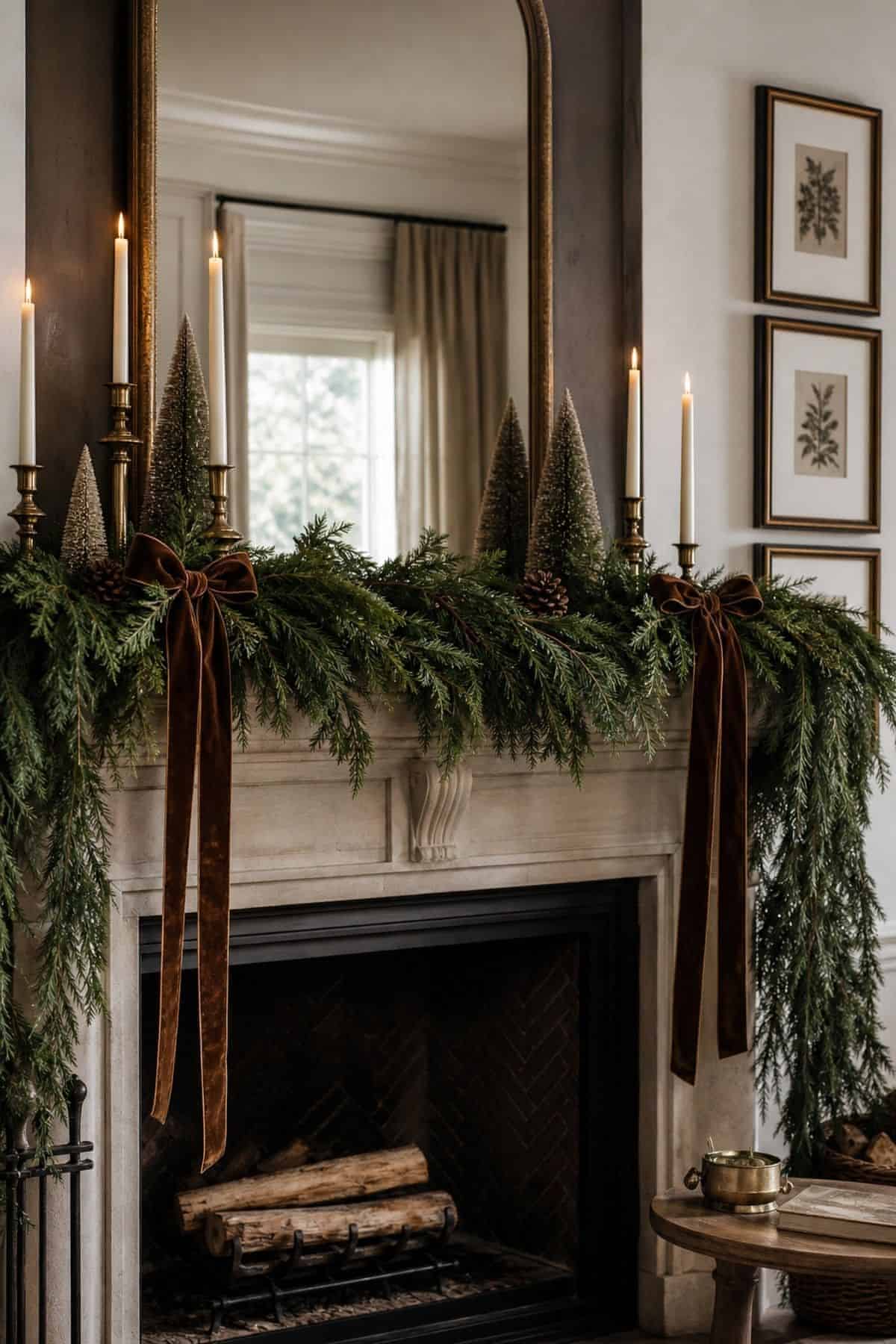
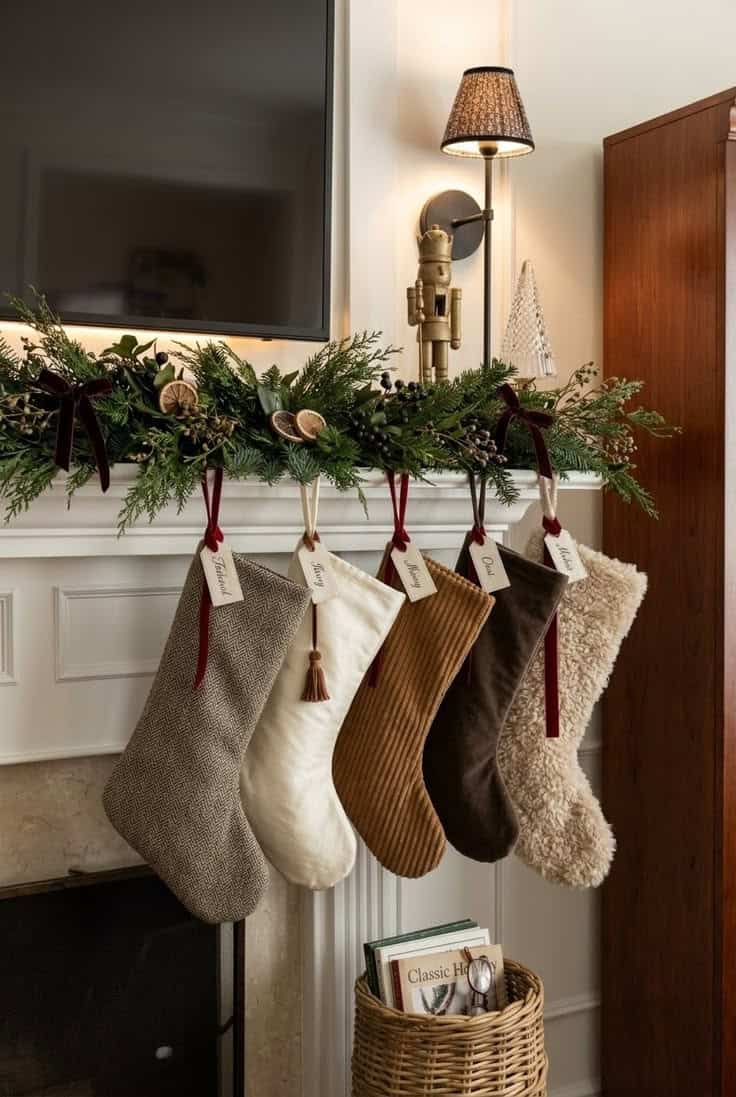
When styling a mantelpiece, I prefer the greenery to have a little freedom rather than looking too neatly arranged. Let the garland fall naturally at either end and add extra stems wherever it needs more volume. Bows, pinecones or a few decorative bells can be lovely additions, but I would avoid introducing too many different elements.
Another approach I particularly love is an asymmetrical arrangement, with most of the foliage gathered at one end of the mantelpiece and cascading down the side. I might finish it with one generous velvet bow, allowing the tails to fall naturally, or a beautiful cluster of bells. It feels a little more sculptural and less traditional than a garland running evenly across the mantelpiece.
Petersham Nurseries in Richmond is a lovely place for seasonal inspiration and to source greenery, as well as to browse for unusual vases and decorative pieces that can be used to display winter branches around the home.


Decorate a Christmas tree with character
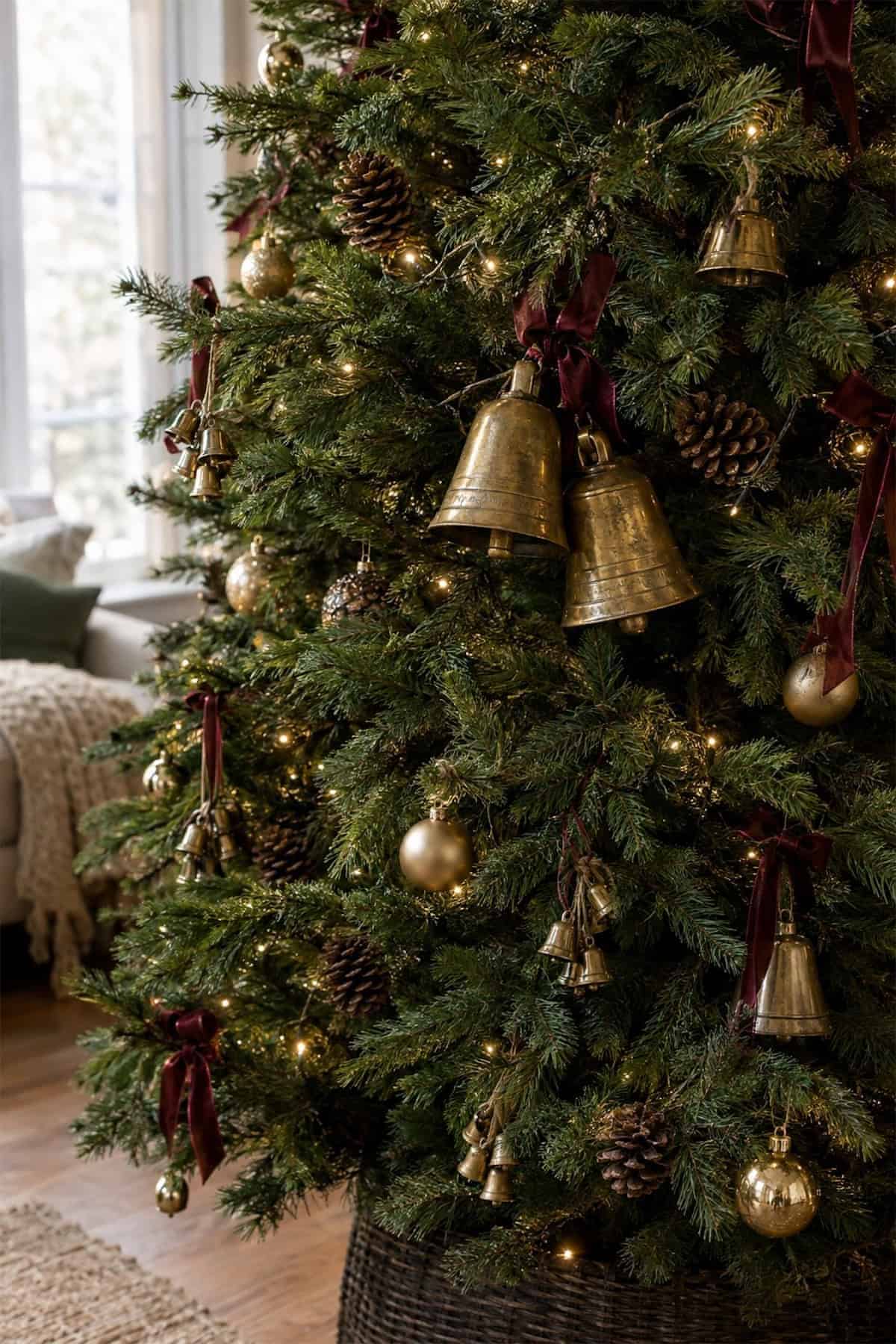
I believe a Christmas tree should feel both beautifully decorated and personal. I love a tree that has been built up over the years, with treasured decorations sitting alongside newer pieces.
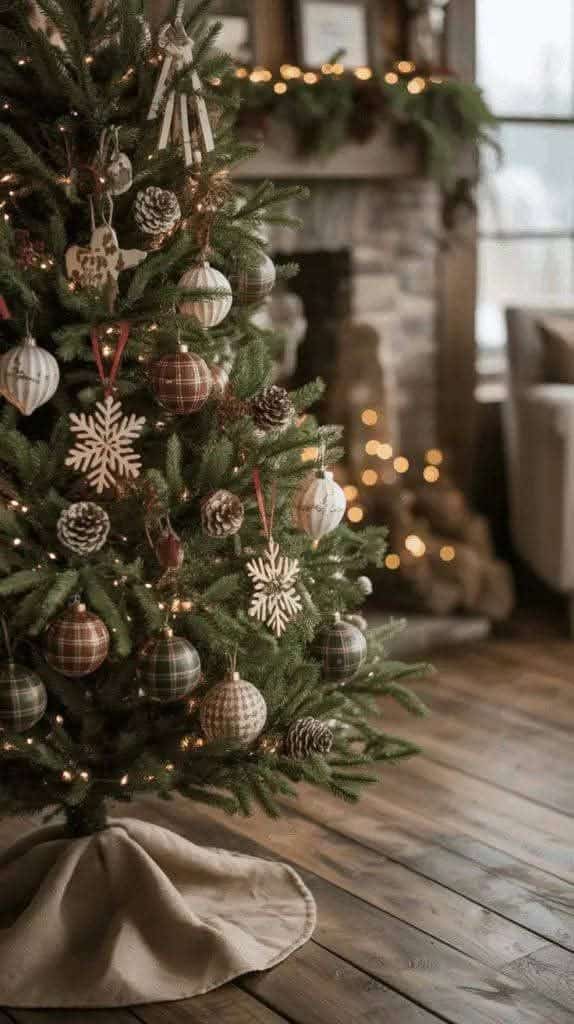
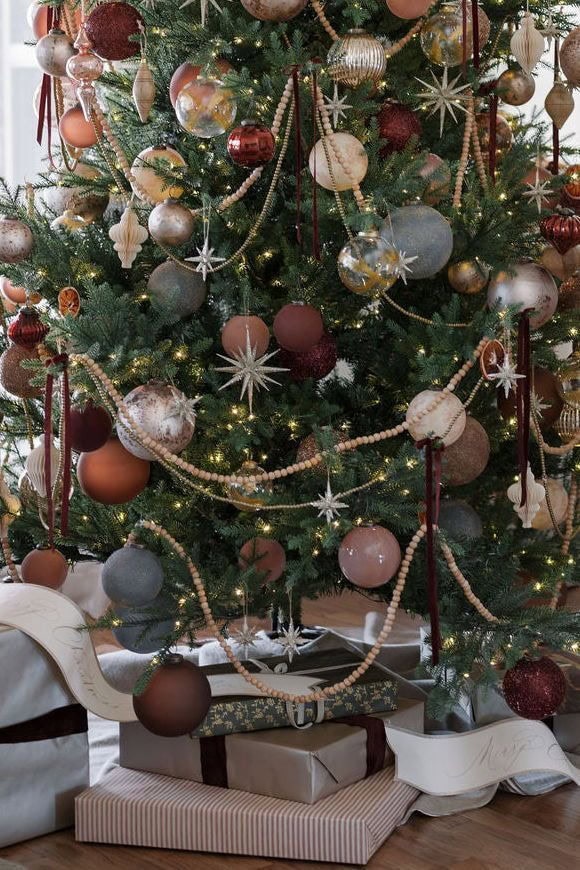
My preference is to mix different scales, textures and finishes. Delicate glass ornaments, heirloom baubles and beautiful ribbons can all work together. I am less interested in a tree where everything matches perfectly. Often, it is the unexpected pieces that make it interesting.
I always begin by taking time to open out and shape the branches properly. It makes an enormous difference to the finished result. Next come the lights, followed by the ribbons and finally the decorations.
A little trick I often use is to place some of the larger baubles deeper within the tree, rather than hanging everything at the ends of the branches. This creates depth, while the smaller and more delicate ornaments can sit towards the tips. I also make sure to leave some of the greenery visible, as a tree can quickly start to feel overcrowded.
I would much rather invest in a few special decorations each year than replace an entire collection every Christmas. There is something lovely about bringing out familiar ornaments, particularly those that have a story or a memory attached to them.
I love discovering Christmas decorations made by independent craftspeople and small makers. Liberty is also a favourite for its wonderful selection of unusual decorations, while Fortnum & Mason is always worth a visit for something playful or nostalgic.
Create a sense of occasion with lighting
Lighting plays an essential role in how a space feels, particularly during the darker winter months. I always prefer warm, soft lighting over anything too bright or cool in tone.
Warm white fairy lights are my preference for the Christmas tree, but I think it is just as important to consider the lighting around the rest of the room.
I rely on table lamps, wall lights and candles to create a softer atmosphere, keeping the main overhead lighting dimmed or switched off entirely.
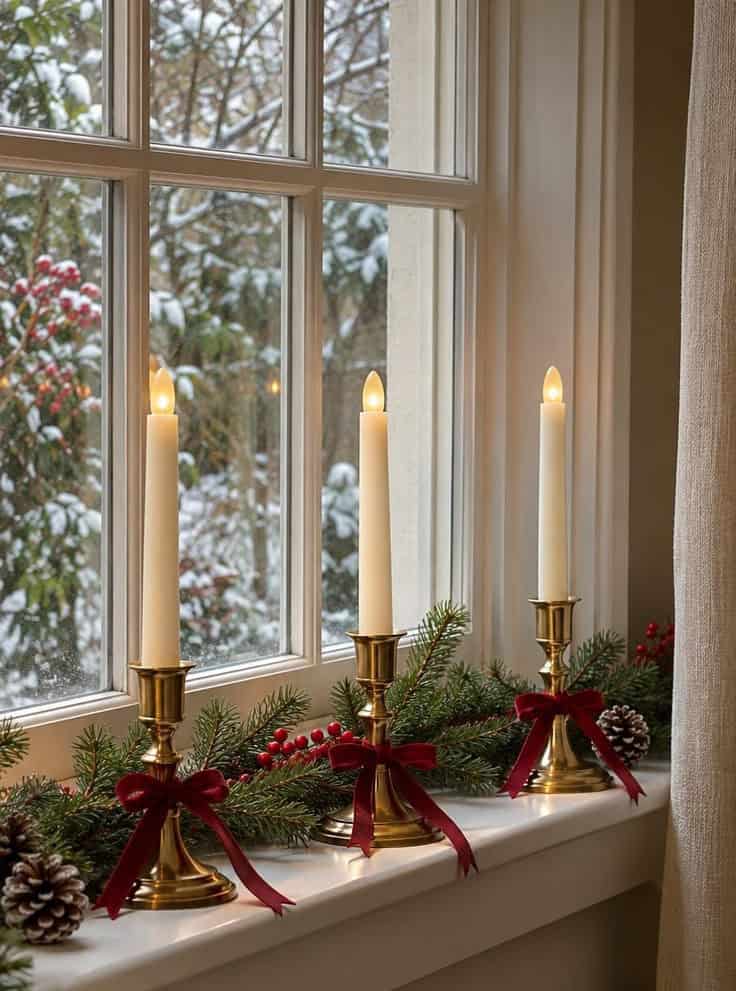
Candles are especially beautiful at this time of year. I like tall tapered candles in antique brass or silver holders, either grouped on a dining table or placed around the room. I tend to arrange them in odd numbers, usually three or five, and vary the heights slightly. It makes the arrangement feel more natural.
The idea is to create a gentle, welcoming glow rather than have every corner of the room equally illuminated. I find that a little contrast between light and shadow makes a space feel much more intimate.
Layer in texture
Christmas is also a lovely opportunity to introduce a few richer fabrics and textures into the home.
Velvet, wool, cashmere, silk and woven linens all work beautifully at this time of year. I might add a couple of oversized cushions to a sofa or a soft wool or cashmere throw over an armchair, choosing colours that sit comfortably with the existing upholstery.
I find the contrast between these softer materials and the more decorative elements of Christmas, such as glass ornaments, polished metals and natural foliage, works particularly well.
There is no need to update an entire room for the season. A few carefully chosen additions can make it feel warmer and more inviting, and many of these pieces can remain long after the Christmas decorations have been put away.
Style a personal and inviting Christmas table
Christmas entertaining is one of my favourite parts of the season, and I always enjoy taking a little extra care with the dining table.
I like to start with beautiful linens, then layer the tableware, glassware and cutlery. I often mix older pieces with more contemporary designs. It gives the table a more personal, collected feel.
For the centrepiece, I love using seasonal greenery of course, sometimes combined with pinecones, pomegranates, figs or winter berries. There is something particularly beautiful about the natural colours of these elements against crisp linen and candlelight.
I generally prefer arrangements that are loose and slightly informal rather than perfectly symmetrical. The important thing is to keep them low enough for guests to see and speak to one another comfortably across the table.
The smaller details are often what people remember. Handwritten place cards, a velvet ribbon tied around a napkin or a simple sprig of foliage at each setting are lovely ways to make the table feel special.
I also think a Christmas table should never feel so precious that guests are afraid to touch anything. It should be beautiful, of course, but above all, it should be a place where everyone feels comfortable and enjoys spending time together.


Consider the quieter corners
Although the Christmas tree is usually the centre of attention, I love introducing smaller festive details in less obvious places around the home.
The entrance hall is particularly important to me, as it is the first space guests experience. A beautiful wreath, a vase filled with winter branches or a simple arrangement of greenery on a console table can immediately set the tone.
I also enjoy placing decorations in more unexpected spots. A wreath hanging on the inside of a window, vintage baubles with a little foliage in a decorative bowl or a few branches displayed in a favourite vase can be a lovely detail.
These touches do not need to be elaborate. In fact, I often find the simplest ones are the most effective. I like the idea of discovering little touches of Christmas as you move through the house.


The luxury of editing
One of the most important principles to me as a designer is knowing when to stop, and I think this applies just as much to Christmas styling.
Not every surface needs an arrangement, and not every corner needs a Christmas decoration. A generous garland, an exceptional wreath or a beautifully dressed tree can make a much stronger impression than an abundance of decorative objects.
That said, I would never sacrifice something personal simply for the sake of the perfect scheme. I love beautiful decorations, but I also love the slightly imperfect ornaments that have been brought out year after year, particularly those that have been passed down through the family.
For me, the most memorable homes are never those that look like showrooms. They are the ones that reflect the personalities and traditions of the people who live in them.
Christmas decorating should be a pleasure, and the finished result should feel beautiful, welcoming and, above all, personal.
About Florence Corcelli
Florence Corcelli is the creative director of Je Ne Sais Quoi, a luxury interior design practice based in London. Her approach celebrates the character of each home through thoughtful materials, texture and personal details.
For more inspiration, read our earlier collaboration: Designing London: How Neighbourhoods Can Shape the Soul of Our Homes.
Finding your place in London
At The Property Story, we believe a home should reflect the way you want to live, at Christmas and throughout the year.
If you are planning a move, our London relocation service can help you find the right property and neighbourhood, with introductions to trusted specialists to help you settle in.
Whether you are looking to rent or buy, we would love to hear what feeling at home means to you.